Welcome to The Literacy Institute at Virginia Commonwealth University
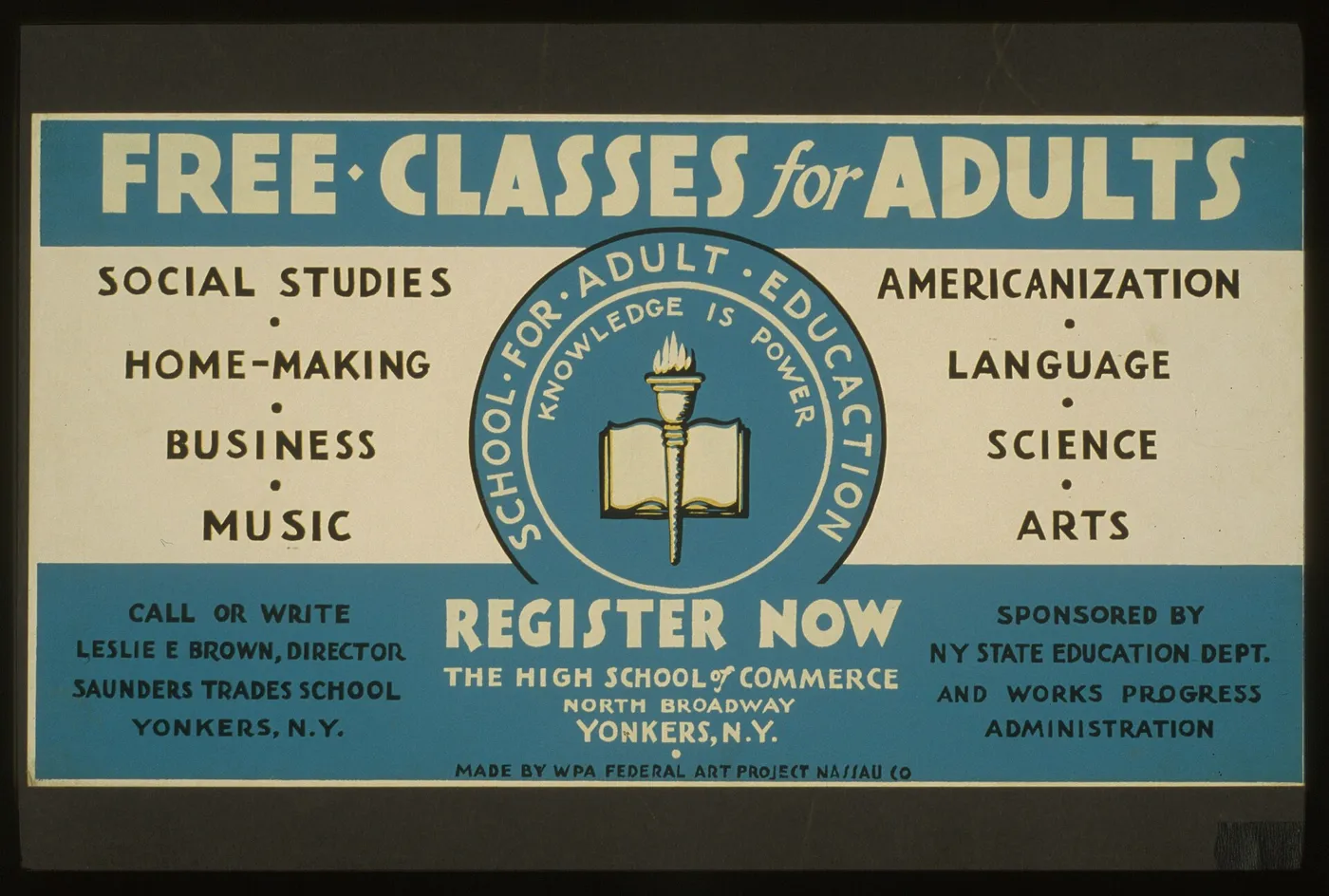
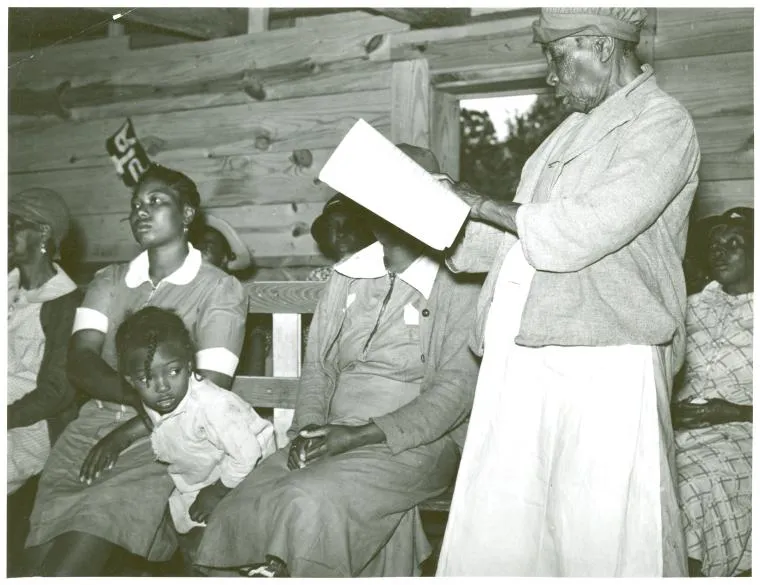
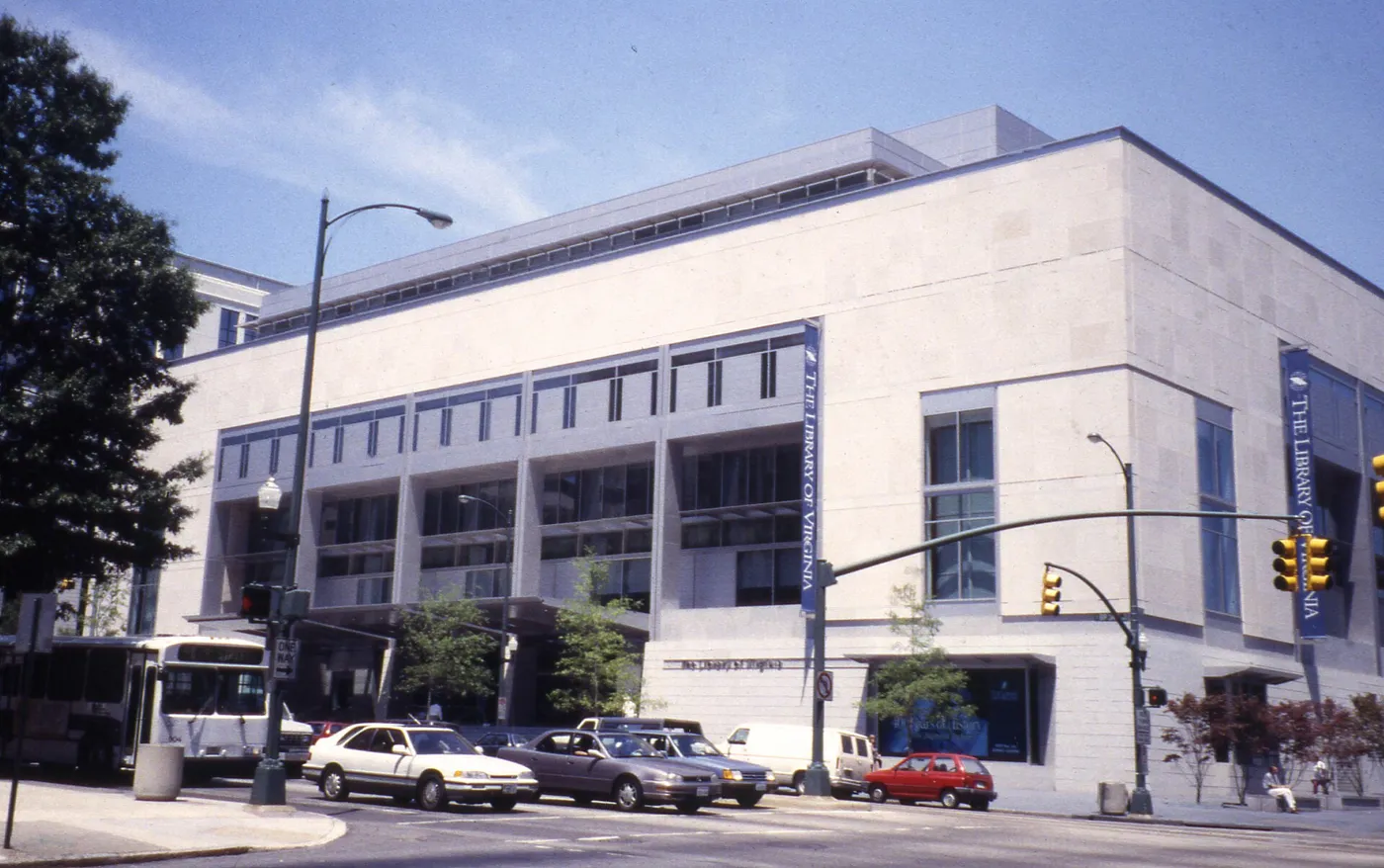
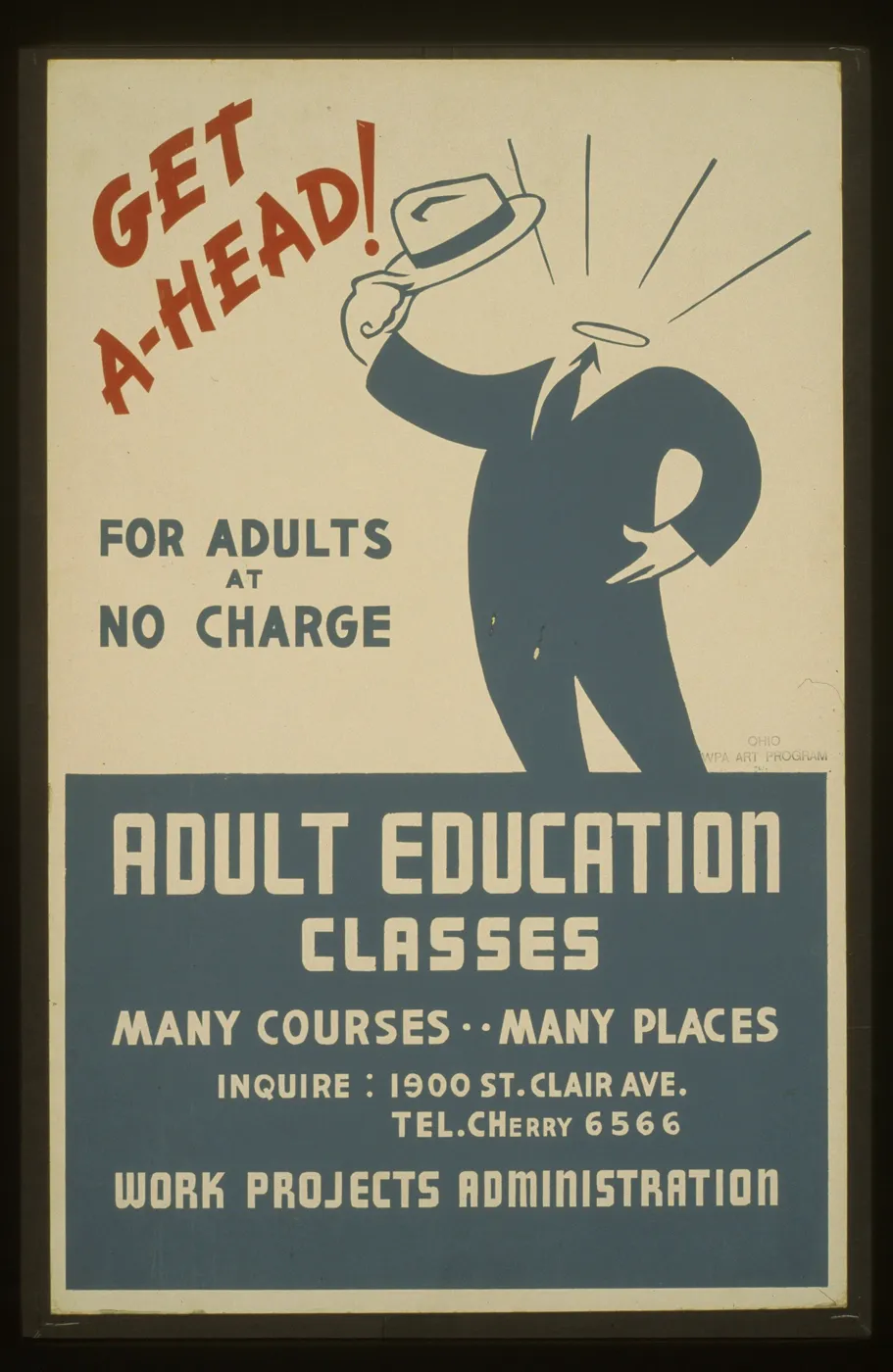
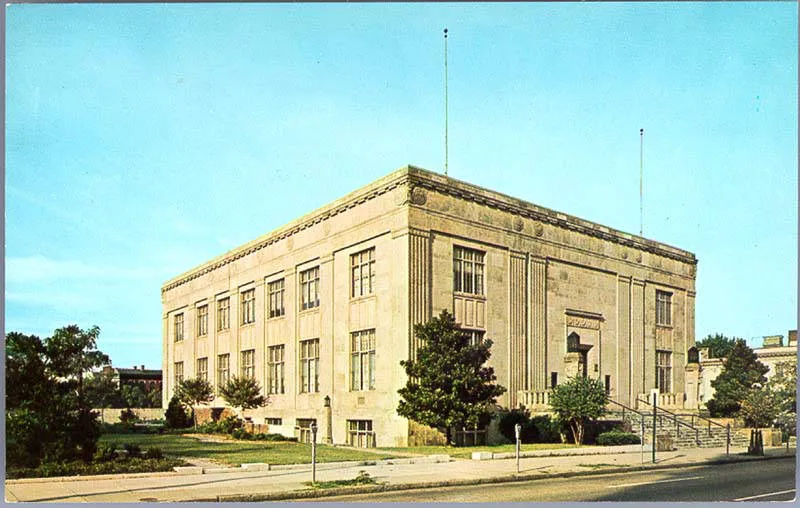
The Literacy Institute, a partnership between the Virginia Literacy Foundation and Virginia Commonwealth University’s School of Education and Center for Public Policy, was formed in 2002 to ensure that Virginia’s public policy makers are kept aware of the problem of illiteracy in the Commonwealth and to directly combat that problem through research and development projects. With its partners’ combined pedagogical and public policy expertise, the Institute has enjoyed great success in its fundraising efforts, which focus on state and federal grants and contracts to oversee research in literacy-related fields. The Institute is in a unique position to craft an agenda for adult literacy that will make an impact on policy makers at both the state and federal levels.
About this copyText above as it appeared on the home page from 2007 to 2016. Everything on this site is kept as a record; the Institute itself is no longer reachable here. How the archive was made.
The Institute in eight dates
- 2002–03The Virginia Literacy Foundation and VCU set up the Institute and fold in the Virginia Adult Learning Resource Center, already some 25 years old.
- 2004Mark Emblidge joins VCU and becomes the Institute’s director.
- 2006The press archive opens with Richmond hosting the second LESLLA forum, with more than 80 researchers and teachers from five countries. Press release
- 2007eLEARN Virginia opens as a free statewide online GED program. Details
- 2008A third Early Reading First grant, $4.49 million, starts SEELLS in five Richmond Head Start sites. Announcement
- 2008–10Virginia joins the national Standards in Action pilot and the CAELA network for adult ESOL teachers. SIA · CAELA
- 2009The Summit on the Future of Adult Education in the New Digital World meets in Richmond. Summit page
- 2013–17The site lists two co-directors, the ExCELL early literacy project and VALRC; the last update is dated December 2017. Staff rosters
Projects from the site
Four of them below; the full project list has thirteen entries, and the key partners page shows who the Institute worked with.
- Richmond Early Reading FirstPreschool literacy partnership with VCU Head Start: goals, sites, staff and a family night at the Children’s Museum.
- LESLLAThe international forum on adults learning to read for the first time in a second language, and the 2006 Richmond proceedings.
- PlugGED InA six-month course that paired GED preparation with Microsoft certifications in Southwest Virginia.
- 2009 SummitInvited experts on technology in adult literacy, with the four questions they were asked to answer for 2020.
Reading aloud with adult learners
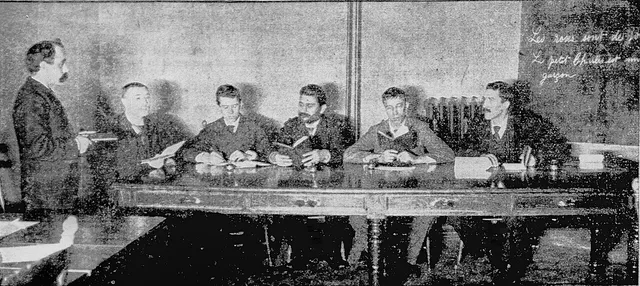
Ask an adult who is new to print to read a paragraph silently and then tell you what it said, and you learn very little. Ask for the same paragraph out loud and you hear nearly everything: which words get sounded out letter by letter, where the commas stop meaning anything, which line the eye skips. Teachers of night-school and ESOL classes leaned on this long before anyone called it assessment, and the LESLLA researchers who met in Richmond in 2006 spent much of their time on exactly these learners.
It works the other way round, too. Someone drafting the GED extended response will hear a dropped word or a sentence that never ends much sooner than they will see it. A machine voice reading the draft back, through something like this free tool that reads an essay out loud, lets a learner catch those slips with nobody else in the room. Our Field Note on the GED essay covers the rest; for learners still decoding, begin with teaching adults new to print.
Field Notes
New pieces written for this archive (all Field Notes), picking up where the old pages stop: what happened to the programs, and what the research says now.
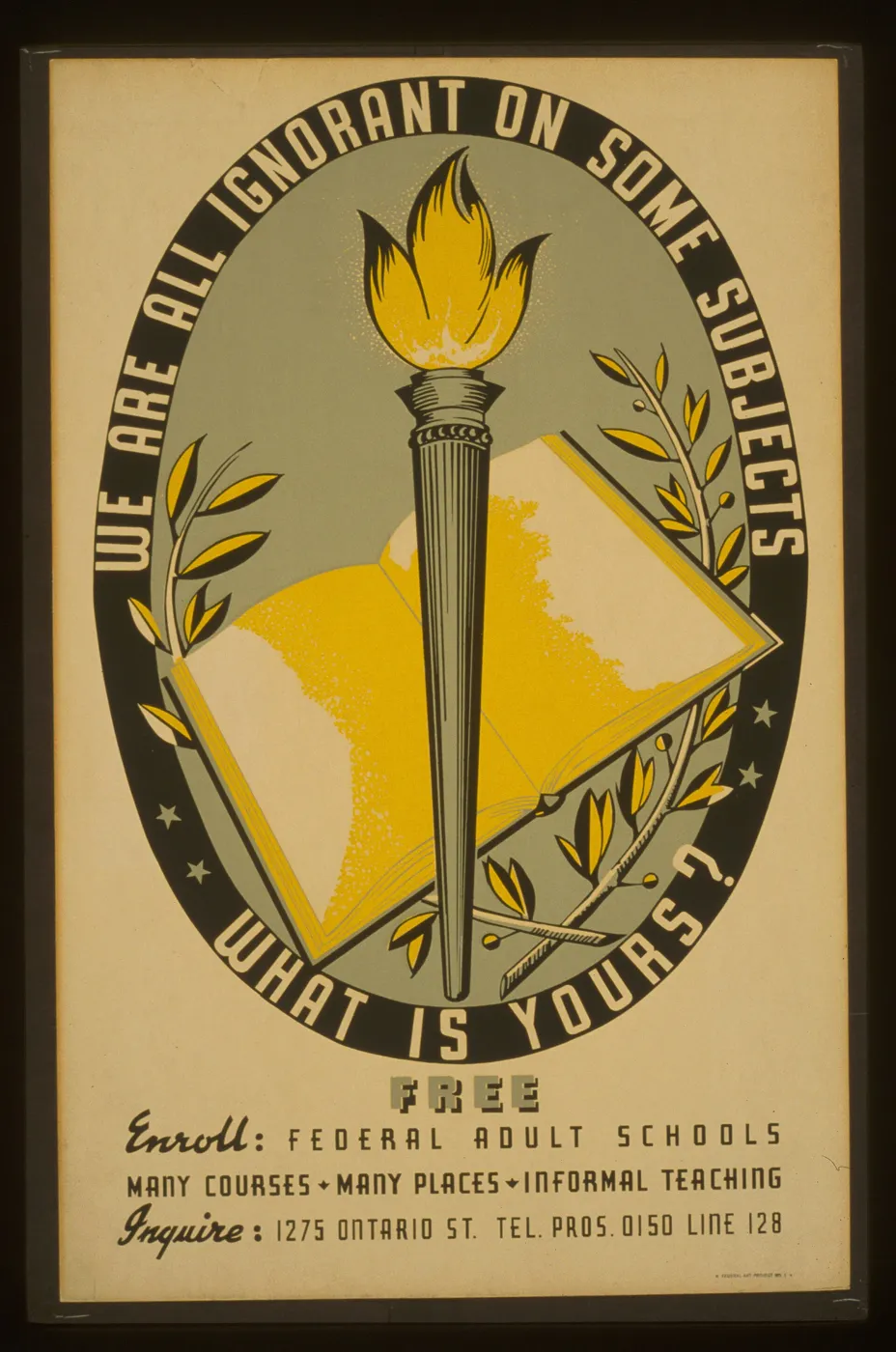 Adult literacy in Virginia, then and nowThe figures the Institute quoted in 2006–2011, set beside the national surveys that came after.
- Teaching adults who are new to printWhat twenty years of LESLLA research says about adults learning to read for the first time in a second language.
- The GED essay: writing the extended responseForty-five minutes, two passages, one argument. How adult learners can prepare for the writing task on the GED.
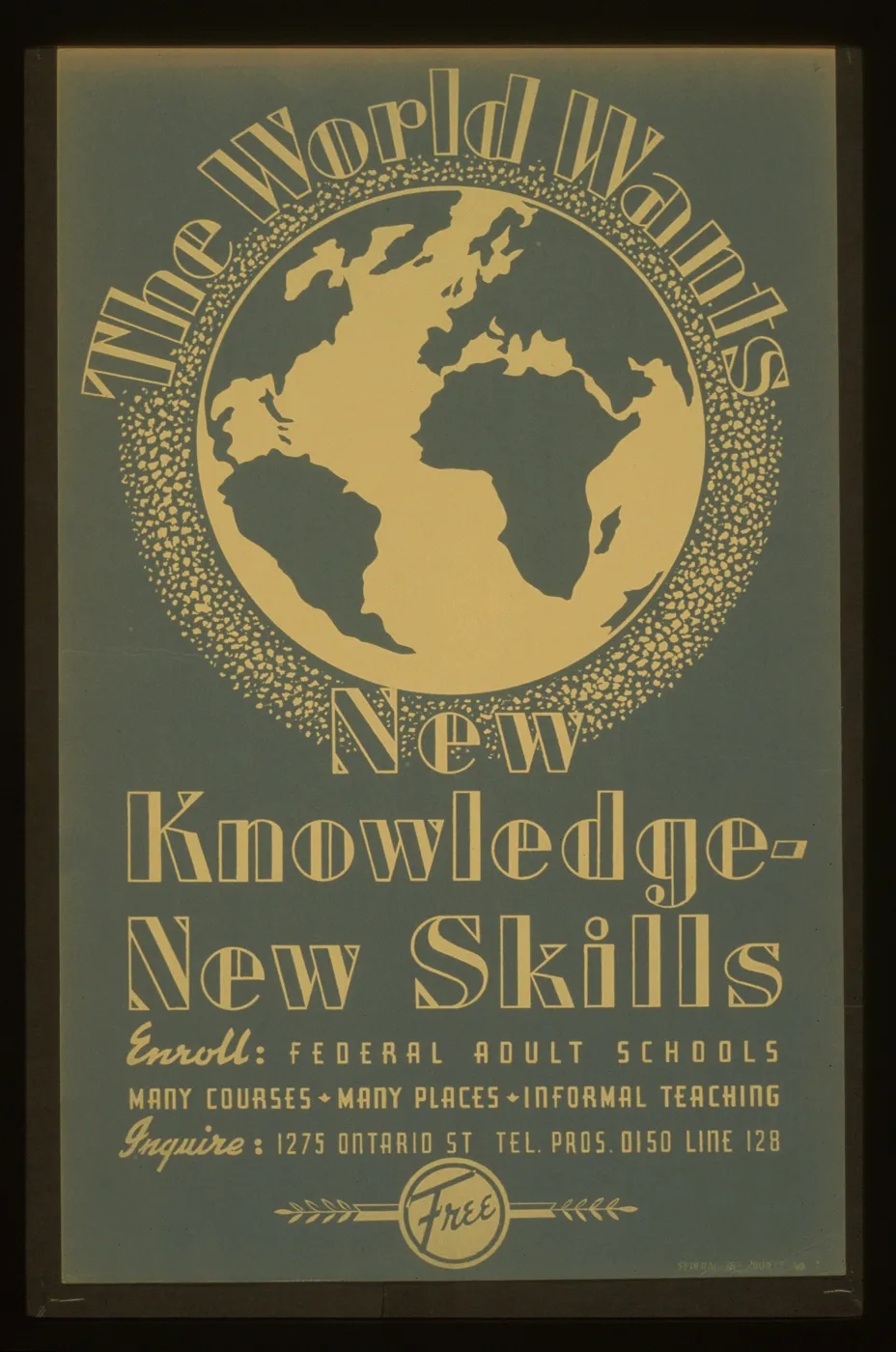 From GED to career pathway: what PlugGED In startedHow a 2009 pilot in Southwest Virginia became a statewide model, and what returning adults face after the credential.
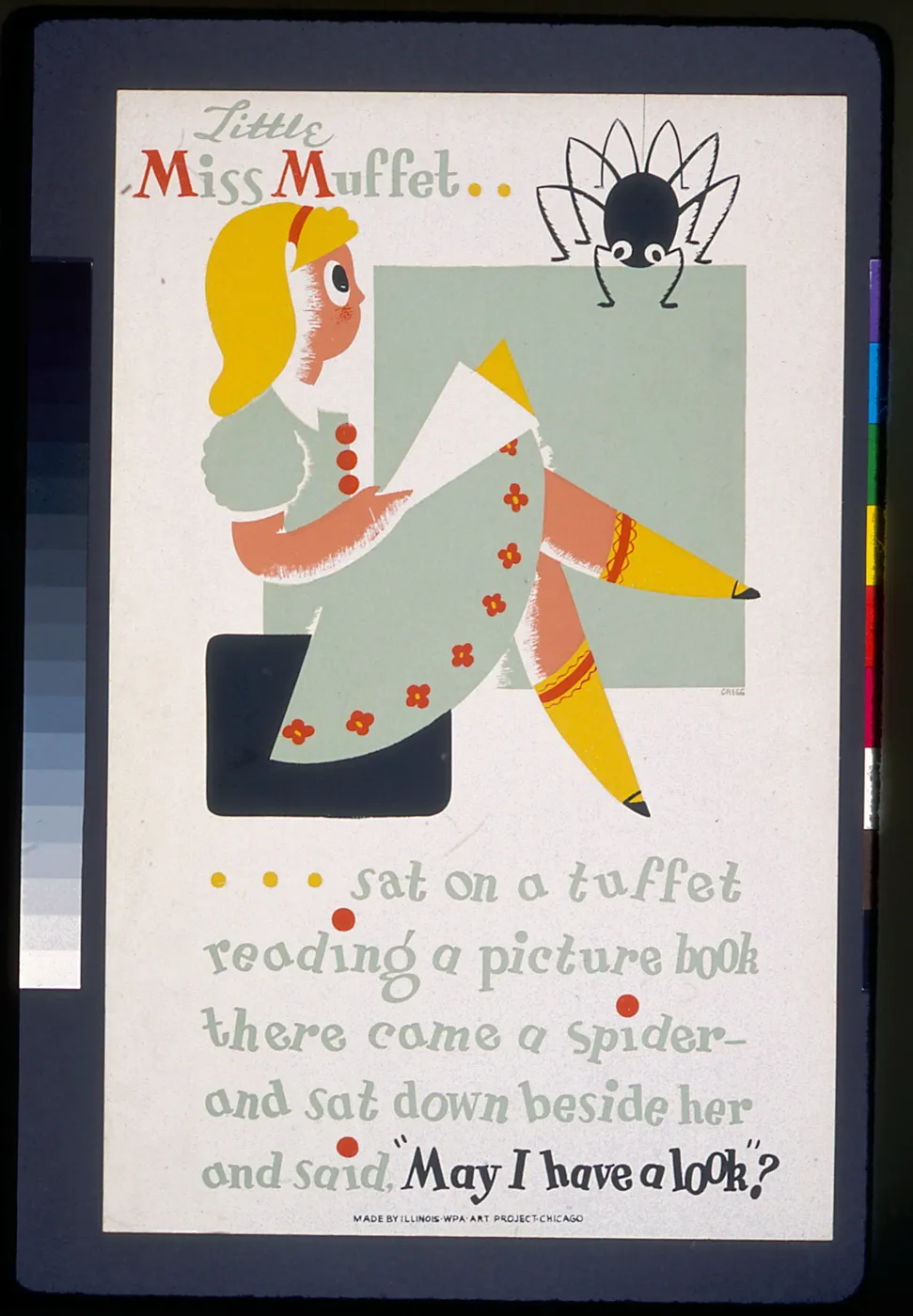 Early Reading First: what the preschool grants taughtRichmond held three of these federal grants. Here is what the national evaluation found and what still applies at home.
About the Institute, briefly
What was The Literacy Institute at VCU?
A partnership between the Virginia Literacy Foundation and Virginia Commonwealth University, set up in 2002–2003, that ran literacy research and development projects for adults and young children and kept state policy makers informed about illiteracy in Virginia.
Is the Institute still operating?
This site is an archive, and it is not run by VCU. The Institute’s website stopped changing around 2017–2018. Its largest division, the Virginia Adult Learning Resource Center, still works out of VCU’s School of Education at valrc.org.
What were its best-known projects?
Three federal Early Reading First grants for Richmond preschools (worth about $12.3 million in total), the 2006 LESLLA forum on adult immigrants learning to read in a new language, the PlugGED In career-pathway course, and the eLEARN Virginia online GED program.
Can I contact the people listed on this site?
The rosters show who worked there between 2007 and 2016. Phone numbers and e-mail addresses from those years have been removed on purpose. For current adult education help in Virginia, start with VALRC.